
Treatment overview

Photodynamic therapy (PDT) is a treatment that involves prescription light-sensitive medicine cream and using our multi-award winning DermaluxMD LED light to destroy abnormal cells. This allows small abnormal areas of tissue to be treated without the need for surgery.

PDT can be used to treat various skin conditions including:

  • Basal cell carcinomas (BCCs)
  • Bowen’s disease (squamous cell carcinoma in situ) – pre-cancerous condition
  • Actinic (solar) keratoses – sun damage lesions, pre-cancerous condition

At present, photodynamic therapy cannot be used to treat malignant melanomas (a rare type of skin cancer), although the technology is constantly evolving.
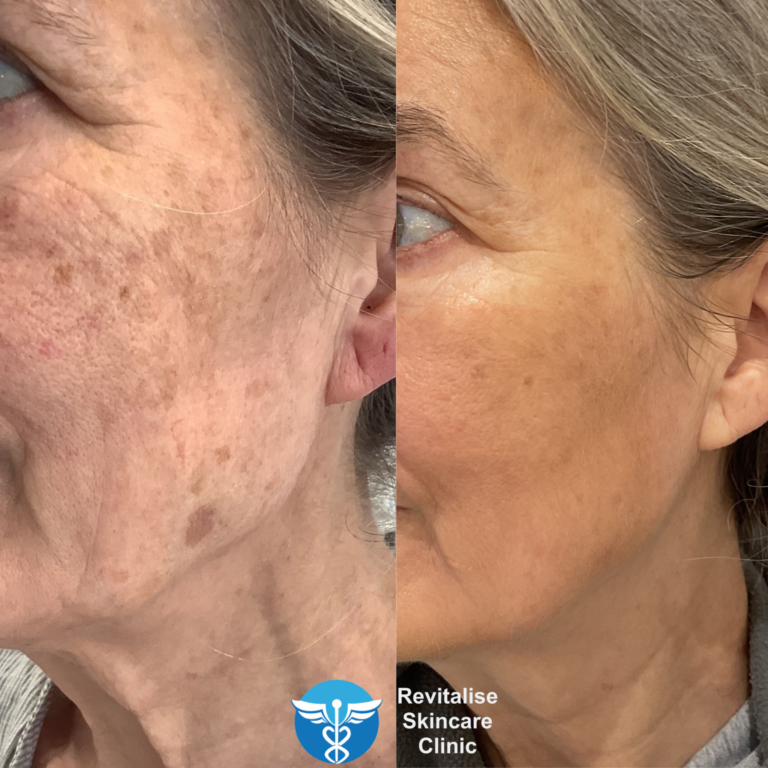
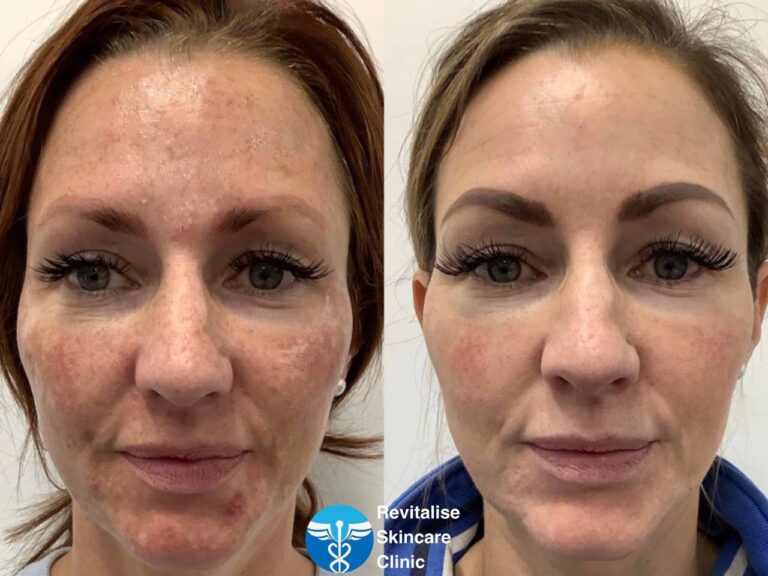
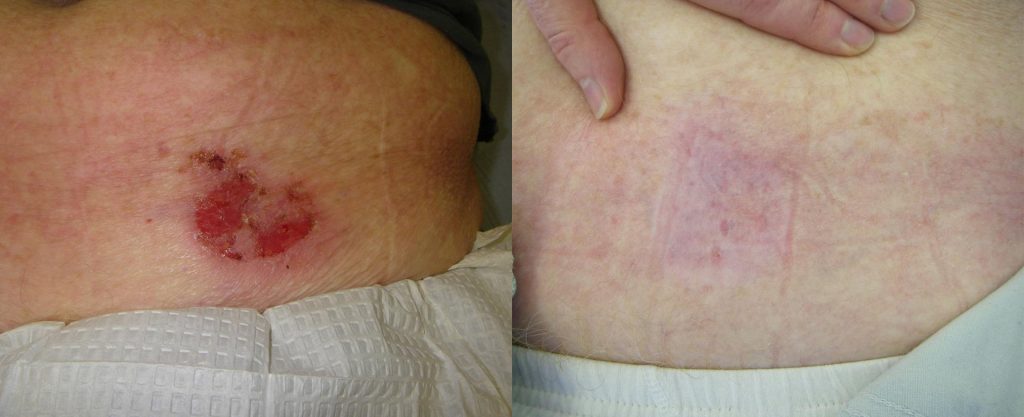
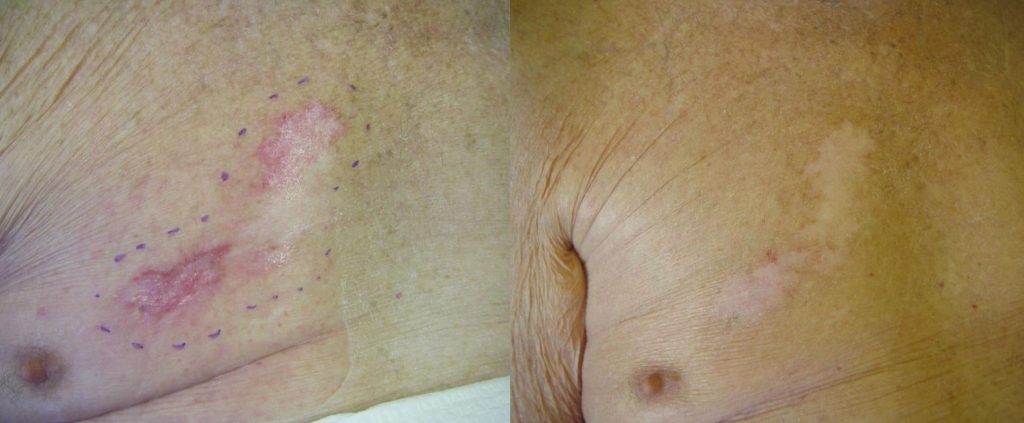
Before & After Actinic keratoses & BCCs

Before & After Actinic keratoses & BCCs 

befor and after Photodynamic Therapy

Before & After

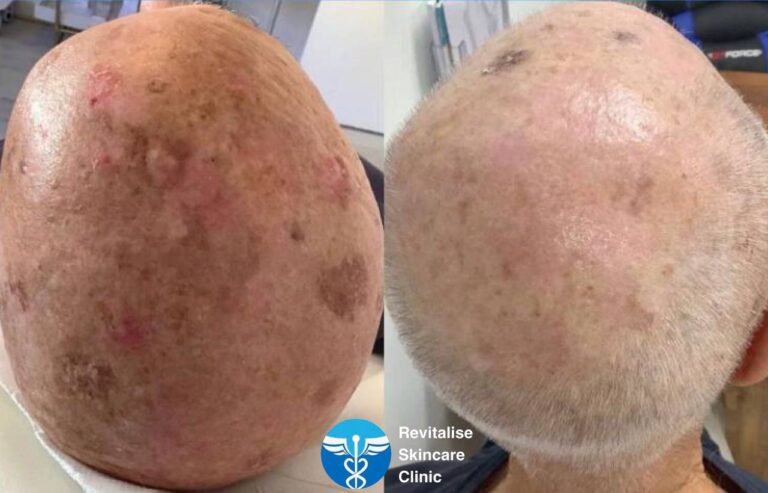
Before & After Severe Sun damage

Before & After Severe Sun damage 

Photo Dynamic therapy

Before & After

Before & After

FREQUENTLY ASKED QUESTIONS ABOUT PHOTODYNAMIC THERAPY (PDT)

Photodynamic Therapy (PDT) has gained popularity as an effective and minimally invasive treatment. It can help with conditions like acne, precancerous skin lesions, and sun damage. With its unique approach that combines light exposure with a photosensitising agent, PDT offers targeted results with relatively few side effects.
Here’s an overview of frequently asked questions about Photodynamic Therapy, particularly its benefits, what to expect, and why it’s such a positive treatment option for those seeking skin health improvements.
If you have any questions or would like to learn more book a consultation with our medically trained practitioner today – click here to contact us.

What is Photodynamic Therapy?

Photodynamic Therapy is a medical treatment that uses a combination of light energy and a photosensitising drug (usually applied topically) to target and destroy abnormal or damaged skin cells. The treatment is activated in three main steps:

  1. Application of the Photosensitising Agent: A photosensitising drug is applied to the treatment area. These compounds absorb into abnormal cells.
  2. Incubation Period: After the application of the photosensitising agent, there is a waiting period—usually between one to three hours—to allow it to penetrate the targeted cells.
  3. Activation by Light Exposure: A specific wavelength of light, such as blue or red light, is then directed at the treatment area. This light activates the photosensitising agent, which produces a reaction that targets and destroys the cells responsible for various skin conditions.

What skin conditions can be treated?

PDT is versatile and can effectively treat several skin conditions, including:

  • Acne: PDT targets and destroys the bacteria responsible for acne and can also reduce the size and activity of oil glands. This decreases the formation of new acne and improves the appearance of the skin.
  • Precancerous Lesions (Actinic Keratosis): These lesions, often caused by sun exposure, are considered early-stage precancerous growths. PDT can selectively destroy the abnormal cells, reducing the risk of developing skin cancer.
  • Sun Damage: PDT can address the effects of sun damage by removing damaged cells and promoting healthier skin regeneration.

Overall, PDT is valued for its ability to specifically target abnormal cells while sparing surrounding healthy tissue, making it a safe and effective treatment option for many skin conditions.

How is Photodynamic Therapy different?

PDT differs from other treatments due to its dual-action approach that combines a photosensitising drug and light exposure. Unlike many conventional treatments that rely on topical creams or more invasive procedures, PDT works at the cellular level to destroy damaged cells, leaving healthy skin cells intact. This makes it gentler on surrounding tissues compared to more aggressive treatments like surgical removal or some laser therapies. Additionally, PDT offers a faster recovery time than many conventional options, making it an appealing choice for people seeking effective results with minimal downtime.

Is Photodynamic Therapy painful?

PDT is generally well-tolerated, though some people may experience mild discomfort during and after treatment. While the light exposure phase may cause a warm or tingling sensation, it is typically manageable. Some people describe a mild stinging or burning sensation during light activation, especially when treating sensitive areas. To ease any discomfort, cooling fans, or topical anaesthetics may be applied to the skin before or during treatment. Afterwards, there can be some temporary redness, swelling, and sensitivity, similar to a mild sunburn, which usually subsides within a few days.

How long does it take to see results?

Results from Photodynamic Therapy can vary depending on the condition being treated and individual skin characteristics. In general, most patients see improvement within a few days to a week after treatment. For conditions like acne, multiple sessions spaced a few weeks apart may be recommended to achieve optimal results. Patients treating precancerous lesions or sun damage may see results more quickly, sometimes after just one or two sessions, as the therapy targets and destroys the damaged cells effectively. While the results may not be instantaneous, most people notice clearer, healthier-looking skin within a month of starting PDT.

Are there any side affects?

While PDT is considered a safe treatment, there are some common, usually mild, side effects:

  • Redness and Swelling: Treated areas may look red and swollen for a few days, similar to a sunburn.
  • Sensitivity to Light: The skin will be more sensitive to light immediately following treatment, so patients are usually advised to avoid direct sunlight for 48 hours.
  • Peeling or Crusting: In some cases, the treated skin may peel or develop crusting, which generally resolves on its own as the skin heals.

These side effects are usually temporary and subside as the skin recovers. Serious side effects are rare, especially when the treatment is administered by a trained healthcare provider such as the staff at Revitalise Skincare Clinic.

Is Photodynamic Therapy safe for all skin types?

Yes, Photodynamic Therapy is safe for all skin types. Our trained staff will assess your skin type and sensitivity level to determine the best treatment approach. PDT is also generally safe for individuals with sensitive skin, as it targets only the affected areas and minimises damage to surrounding healthy tissues.

Can it help with acne?

While PDT is highly effective in reducing active acne and preventing future breakouts, its effect on acne scars is more limited. PDT may help with some minor scarring by stimulating collagen production and cell turnover, leading to improved skin texture over time. However, for deeper or more pronounced acne scars, additional treatments like laser resurfacing, microneedling, or chemical peels might be recommended in combination with PDT for optimal results. Combining treatments can lead to smoother skin and further enhance the appearance of scars. We offer a full consultation before any treatment so we can advise you as the best next steps.

Can Photodynamic Therapy prevent skin cancer?

One of the most significant benefits of PDT is its ability to treat precancerous lesions like actinic keratosis, which can develop into skin cancer if left untreated. By selectively targeting and destroying these abnormal cells, PDT reduces the risk of progression to squamous cell carcinoma. Studies have shown that PDT can effectively treat actinic keratosis with high success rates, making it a proactive and effective preventive measure against certain types of skin cancer. While it doesn’t guarantee full prevention, it does significantly reduce the likelihood of cancer development in treated areas.

How many sessions are needed?

The number of sessions varies depending on the condition and individual response. For acne, a series of two to four treatments spaced several weeks apart is often recommended. Precancerous lesions and sun damage might only require one to two sessions, depending on the severity and extent of the damage. Our medically trained staff will tailor the treatment plan to your specific needs. Monitoring progress and adjusting the number of sessions as needed to achieve the best possible outcome. Talk to us today so we can fully assess your requirements.

Should any precautions be taken?

After PDT, your skin becomes more sensitive to light, so avoiding direct sun exposure for at least 48 hours is crucial. Wear protective clothing, a hat, and sunscreen whenever you’re outdoors, even after the initial 48 hours. Sun exposure can worsen side effects like redness and swelling and may even reduce the treatment’s effectiveness. Use gentle skincare products and avoid harsh exfoliants or active ingredients like retinoids until your skin fully heals. When you come in for your treatment, we’ll go over all these aftercare steps with you.

Why is Photodynamic Therapy considered a positive treatment option?

Photodynamic Therapy stands out as a positive and valuable treatment for several reasons:

  1. Non-Invasive and Minimal Downtime: PDT is a non-surgical option, reducing the need for invasive procedures,. Most patients resume their regular activities within a few days.
  2. High Precision and Efficacy: PDT targets only the affected cells, minimising collateral damage to surrounding healthy tissues. This precision makes it an effective treatment with high success rates, especially for precancerous lesions.
  3. Dual Benefits for Skin Health: In addition to addressing acne, precancerous cells, and sun damage, PDT improves overall skin texture, reduces pores, and offers an anti-aging effect by stimulating collagen production.
  4. Preventive Action: By treating precancerous cells, PDT helps reduce the risk of skin cancer, making it an ideal choice for individuals with significant sun exposure or a history of skin issues.
  5. Minimal Side Effects: Unlike many other treatments, PDT has a relatively mild side effect profile, with most side effects being temporary and resolving naturally within days.

Am I a good candidate?

People with moderate to severe acne, sun-damaged skin, or actinic keratosis can benefit most from PDT. The best next step is to contact us today for a full consultation. This allows us to determine whether PDT suits your skin type and health history. If you have light sensitivities or take certain medications, we may recommend alternative treatments.

How does it compare to other treatments?

While PDT can be more expensive than basic topical treatments, it is often less costly than surgical procedures and some types of laser therapy. Its long-term efficacy, particularly for preventing future breakouts and reducing precancerous lesions, can make it a cost-effective solution over time. Please check out our prices here. As always get in touch today to speak to our medically trained nurse practitioner who can asses your skin and this treatment option for you.

Price will be determined at consultation after examination with the medical practitioner.

If you’re interested in Photodynamic therapy (PDT) please don’t hesitate to get in contact with Revitalise SkinCare Clinic today.

Please note that Photodynamic therapy (PDT) services are available at our Bath clinic only.

CONTACT US NOW